





The ideal humidity level in a bedroom doesn’t just affect sleeping comfort — it also directly impacts physical health and overall quality of life. The bedroom is a space dedicated to rest, and if the humidity in the air is too high or too low, it can trigger health problems such as allergies, dry skin, or even mold growth on mattresses and walls. Therefore, maintaining humidity within an appropriate range is a necessity that many people overlook. This article will explore what the “ideal bedroom humidity” level should be, how it affects health, and how to adjust it for a better quality of life.
What Is the Ideal Humidity Level for a Bedroom?
The ideal relative humidity in a bedroom should be around 40%–60% RH. To be more specific for optimal sleep and respiratory health, it should be in the range of 45%–55% RH, as this is the level at which the body can breathe comfortably, the risk of mold and dust mites — the main causes of allergies — is reduced, and the skin is kept from becoming overly dry.
If the humidity in the room drops below 40%, the air becomes dry, which may cause an itchy or sore throat, dry and flaky skin, or even nosebleeds in some cases. On the other hand, if the humidity exceeds 60%, it increases the risk of mold growth on mattresses, walls, or furniture, and puts extra strain on the respiratory system, which may eventually lead to chronic health problems.
Using a hygrometer is a simple way to check and control the humidity level in your bedroom accurately — especially during the rainy season or when the air conditioner is used regularly.
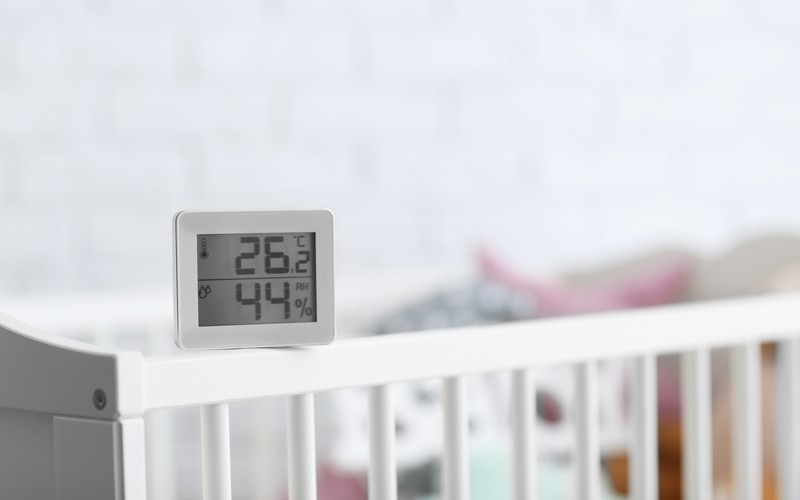
The Importance of Ideal Bedroom Humidity
Maintaining the humidity in the bedroom at an appropriate level has a greater impact on health than many people realize. The indoor climate directly affects the body every night while we sleep — especially for those who suffer from allergies, have a weak respiratory system, or experience dry and cracked skin.
Proper humidity levels help prevent throat irritation, reduce phlegm buildup, and ease breathing difficulties. They also help reduce dust mite accumulation, a major trigger for allergies. If you notice that you wake up with a burning sensation in your nose, nasal congestion, or chronic coughing, it may be time to pay attention to the humidity in your bedroom.
In terms of the home environment, proper humidity also helps protect wooden furniture from swelling or developing mold, and extends the lifespan of wall and floor materials. Therefore, controlling humidity in the room is a way of caring for both your health and your belongings at the same time.
How Does Bedroom Humidity Affect Your Health?
- Stronger respiratory system: When humidity is at the right level, it keeps the nasal passages from drying out, reduces throat irritation, and makes breathing easier — especially for those with conditions such as allergies or asthma.
- Reduced risk of infections and allergies: Excessive humidity can lead to mold and bacterial growth in the bedroom, which are major causes of allergies and respiratory infections. Maintaining humidity within the appropriate range helps reduce these risks.
- Reduced dry skin and dry eyes: Dry air causes the skin to lose moisture, leading to peeling, itching, or stinging — especially during winter or when the air conditioner has been running for a long time. Adding humidity to the room helps keep the skin and eyes sufficiently moisturized.
- Promotes deeper sleep: Proper humidity helps the body feel comfortable — not sticky and not so dry that it causes itching — allowing you to sleep soundly and wake up feeling refreshed.

Adjusting Bedroom Humidity with DryerD Humidity Control Products
Controlling the humidity in your bedroom is not difficult if you have an effective tool — such as a humidity control device from DryerD. DryerD offers models that both increase and decrease humidity, depending on the problem you need to solve or the confidence you want in controlling humidity effectively.
- When humidity is too low: Use a DryerD Humidifier to add moisture to the air, preventing it from becoming too dry and reducing problems such as dry skin and breathing difficulties. Ideal for use in air-conditioned rooms or during winter.
- When humidity is too high: Use a DryerD Dehumidifier to control humidity and bring it to an appropriate level, helping to reduce the risk of mold, musty odors, and various health problems.
DryerD products are designed with high-quality filtration systems, excellent performance, and environmental friendliness. They also allow you to set the target humidity level with precision, making them suitable for all types of residences — houses, condominiums — as well as offices and warehouses.
Conclusion
The “ideal bedroom humidity” should be in the range of 40%–60% RH to promote quality sleep, support respiratory health, and reduce the risk of various conditions — whether allergies, dry skin, or mold problems in the home. Using effective humidity control products from DryerD is a worthwhile and safe solution, suitable for every home and every climate.
Whether you want to take care of your health at home, preserve the quality of warehouse inventory, or create an ideal environment at work, DryerD is the partner you can trust for effective humidity control. With after-sales support included, you can feel confident in the products — bringing better health and a better quality of life for certain.
☎️ Tel: 02-906-7988, 02-033-5165
🟢 Line: @Dryer-D
📬 Email: dryer.dservice@gmail.com
📘 Facebook: เครื่องลดความชื้นและเครื่องเพิ่มความชื้น


